

Best Time to Visit Sri Lanka and South Coast
Sri Lanka is a year-round tropical destination — but knowing when to come can help you get the most out of your stay, especially along the South Coast, where our hotel SOLA is located in Ahangama.
If you are planning a stay in Ahangama or travelling along Sri Lanka’s South Coast, the best time to visit depends on what you are looking for: sunny beach days, consistent surf, fewer crowds, lush tropical landscapes or a slower and quieter experience.
At SOLA, we experience these seasonal changes every day from our home in the jungle of Ahangama. Rather than thinking in terms of simply “high season” and “off-season”, we like to see the year as two very different ways of experiencing the South Coast.
Quick Guide: When Is the Best Time to Visit Sri Lanka?
For the driest weather, calmer seas and the liveliest atmosphere, December to March is generally the best time to visit Ahangama.
For surfing, the main South Coast surf season typically runs from November through April, with particularly consistent conditions during the middle of the season.
If you prefer fewer visitors, greener landscapes and a more relaxed atmosphere, the green season from May to September can be a beautiful alternative.
October and November are transitional months and weather can be less predictable.
Ahangama (South-Coast) Seasons at a Glance
December – March
Dry season, sunny weather, peak travel season, excellent surf and the widest choice of restaurants and activities.
April
Warm, still generally good for travelling and surfing, with changing weather as the seasons transition.
May – September
Green season and South-West Monsoon. More rainfall, lush landscapes, fewer visitors and a much quieter South Coast.
October – November
Inter-monsoon transition. A mix of sunshine and tropical showers as the South Coast prepares for the new season.
High Season in Ahangama: December to March
From December through March, Ahangama and Sri Lanka’s South Coast are at their most vibrant and its the best time to visit Sri Lanka.
These months usually bring plenty of sunshine, comparatively low rainfall and calmer conditions along the southwest coast. Beaches, cafés and restaurants are busy, surf schools are in full swing and the entire coast has an energetic atmosphere.
For many travellers, this is the classic time to experience Ahangama.
You can expect:
- Long, sunny beach days
- Excellent surf conditions
- Calmer seas
- A lively restaurant and café scene
- More events and activities
- Busier beaches and surf breaks
- Higher accommodation demand, especially around Christmas and New Year
If you are travelling during late December, January or February, we recommend booking accommodation well in advance. You can explore our eight suites at SOLA and check availability directly before planning your trip.
When Is the Best Time to Surf in Ahangama?
Ahangama has become one of Sri Lanka’s best-known surf destinations, with a variety of reef and beach breaks located along this stretch of coastline.
The main surf season on the South Coast generally runs from November to April, when offshore winds and Indian Ocean swells create the most consistent conditions.
December through March is typically the most reliable period.
Around Ahangama you will find surf spots suitable for different levels, from beginner-friendly waves to more powerful reef breaks such as those around Kabalana and Midigama.
Several surf beaches are only a short tuk-tuk ride from SOLA, making it easy to combine morning surf sessions with slow afternoons by the pool or in the jungle.
During the green season, waves can still be found, but conditions are usually less consistent and many surfers travel to Sri Lanka’s East Coast instead.
The Green Season in Ahangama: May to September
Many travel guides describe May to September as the South Coast’s “off-season”. We prefer green season.
During this period, the South-West Monsoon brings more frequent tropical rain to Sri Lanka’s south and west. But that does not necessarily mean days of continuous rain.
Weather in Sri Lanka can change quickly. A tropical downpour may be followed by sunshine, and there are often long dry periods between showers.
The biggest transformation is the landscape. The jungle becomes intensely green, tropical plants flourish and the entire area feels quieter and more alive.
At SOLA, this is one of our favourite times to experience the property. You can learn more about the story of the land, its tea, cinnamon, tropical plants and wildlife on our About SOLA page.
Why Visit Ahangama During Green Season?
Fewer crowds
Ahangama becomes noticeably quieter. Beaches, cafés and roads feel more relaxed, and you experience a very different side of the South Coast.
A lush tropical landscape
Rain transforms the jungle surrounding SOLA. Tea, coffee, cinnamon, palms and tropical fruit thrive during these months.
A slower pace
Green season is particularly suited to travellers looking to unwind, read, practise yoga, enjoy long breakfasts or simply spend time in nature.
Better value
Accommodation rates can often be more attractive than during peak season.
A more local atmosphere
As visitor numbers decrease, Ahangama feels less like a seasonal holiday destination and more like the place we know throughout the year.
Does It Rain All Day During Monsoon Season?
Usually, no.
This is one of the biggest misconceptions about visiting Sri Lanka during the monsoon.
The South-West Monsoon does bring significantly more rainfall to the South Coast, but tropical weather rarely follows a perfectly predictable schedule.
You may experience heavy rain for an hour followed by sunshine, several dry days in a row, or rain mainly in the evening and at night.
There can also be periods of more persistent rain.
If guaranteed beach weather is the priority of your trip, December to March remains the safer choice.
But if you are comfortable with changing tropical weather, the green season can be incredibly rewarding.
Is July or August a Good Time to Visit Ahangama?
Yes — depending on what you are looking for.
July and August fall within the South-West Monsoon season, so you should expect a greater chance of rain and less predictable ocean conditions than during the southern high season.
At the same time, Ahangama is considerably quieter.
For travellers who are coming primarily for nature, food, wellness, relaxation or exploring the South Coast rather than for guaranteed surf and beach conditions, these months can still be very enjoyable.
It is also worth remembering that Sri Lanka has different weather patterns on different parts of the island.
While the South Coast experiences its green season, the East Coast — including areas such as Arugam Bay — enters its main beach and surf season.
This means Sri Lanka remains a year-round destination; you simply choose the coast that best suits the season.
What About October and November?
October and November are usually transitional months.
October in particular can bring unpredictable weather and heavier tropical showers as Sri Lanka moves between monsoon systems.
By November, conditions on the South Coast usually begin to change. Surf season starts returning, businesses prepare for the busier months and the landscape remains beautifully green after the rains.
For travellers who are flexible with weather, November can be an interesting shoulder-season option before the peak months begin.
What Is Ahangama Like in December, January and February?
These are among the most popular months in Ahangama.
The weather is generally dry and sunny, the surf is consistent and practically all restaurants, cafés, surf schools and wellness venues are operating.
January and February in particular can feel very lively.
If you enjoy the social energy of Ahangama, this is a great time to visit.
If you prefer a quieter atmosphere, consider travelling in late November, March, April or during the green season instead.
Our Favourite Time of Year at SOLA
We are often asked which season we personally prefer.The answer is that Ahangama genuinely feels like two different destinations throughout the year.
High season brings surf, sunshine, energy and the unmistakable buzz of the South Coast.
Green season brings silence, dramatic skies, tropical rain and an incredible transformation of the jungle.
We have travelled and lived on Sri Lanka’s South Coast through both seasons, and each has its own appeal.
If your priority is sunshine and surfing, come between December and March.
If you want to experience Ahangama at its greenest and most peaceful, consider May to September.
And if you like the idea of somewhere in between, the shoulder months can offer a little of both.
When Should You Book Your Stay in Ahangama?
If you are travelling between Christmas and March, booking early is advisable, particularly if you are looking for smaller boutique hotels.
SOLA has only eight suites, so availability during the busiest months can disappear well in advance.
During the green season and shoulder months, there is generally more flexibility.
Whatever time of year you choose, Ahangama offers an easy base for exploring Sri Lanka’s South Coast — from the beaches and surf breaks around Kabalana and Midigama to Galle Fort, Weligama, local restaurants and the tropical landscape inland.
Stay at SOLA in Ahangama
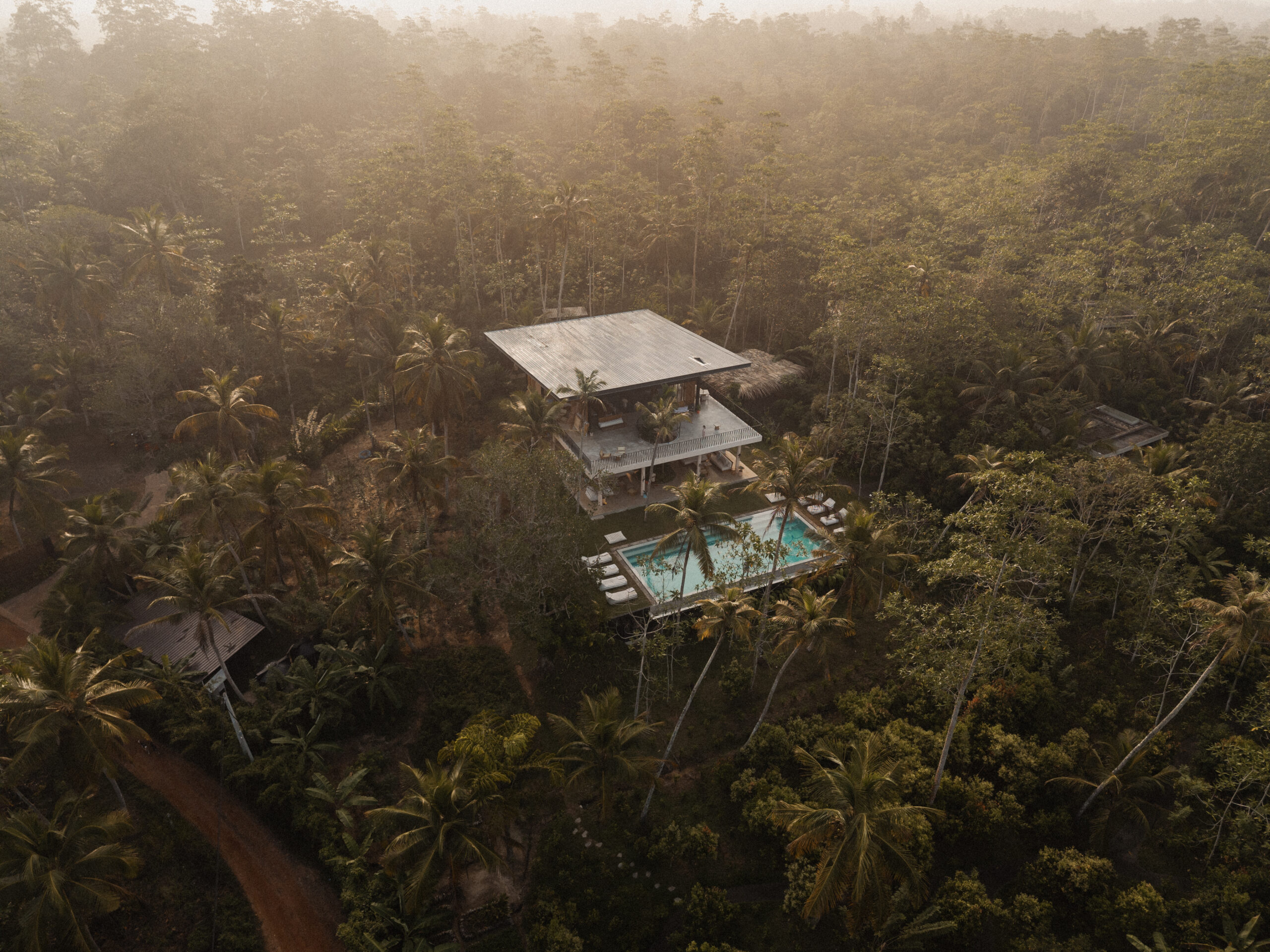
SOLA is an intimate boutique hotel set within three acres of tropical jungle in Ahangama, a short drive from the beaches and surf breaks of Sri Lanka’s South Coast.
With eight thoughtfully designed suites, our open pavilion, pool, restaurant MALI and the surrounding SOLA estate, the hotel was created as a place to slow down and experience a different side of Ahangama.
Explore our suites and find the season that feels right for you.

